Transforming royalty shares into institutions, cultural preservation, and a vision for future generations
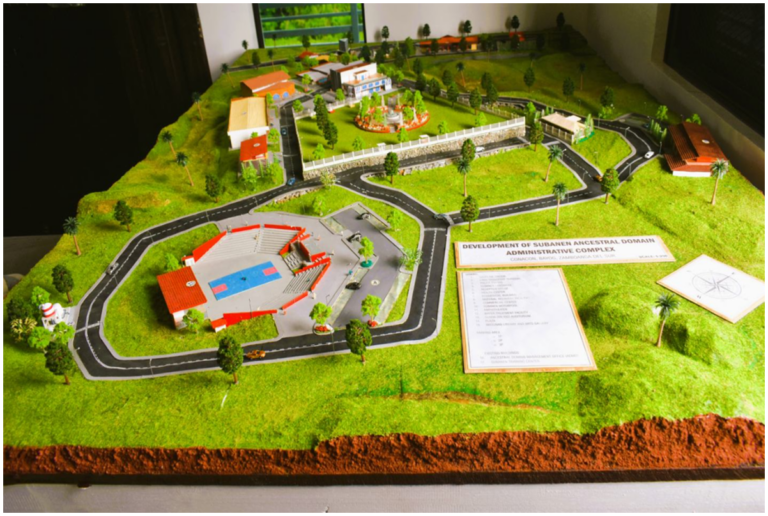
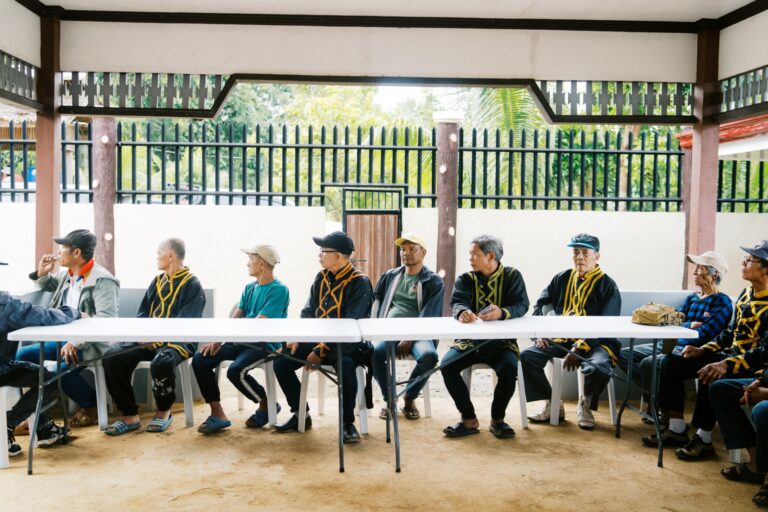
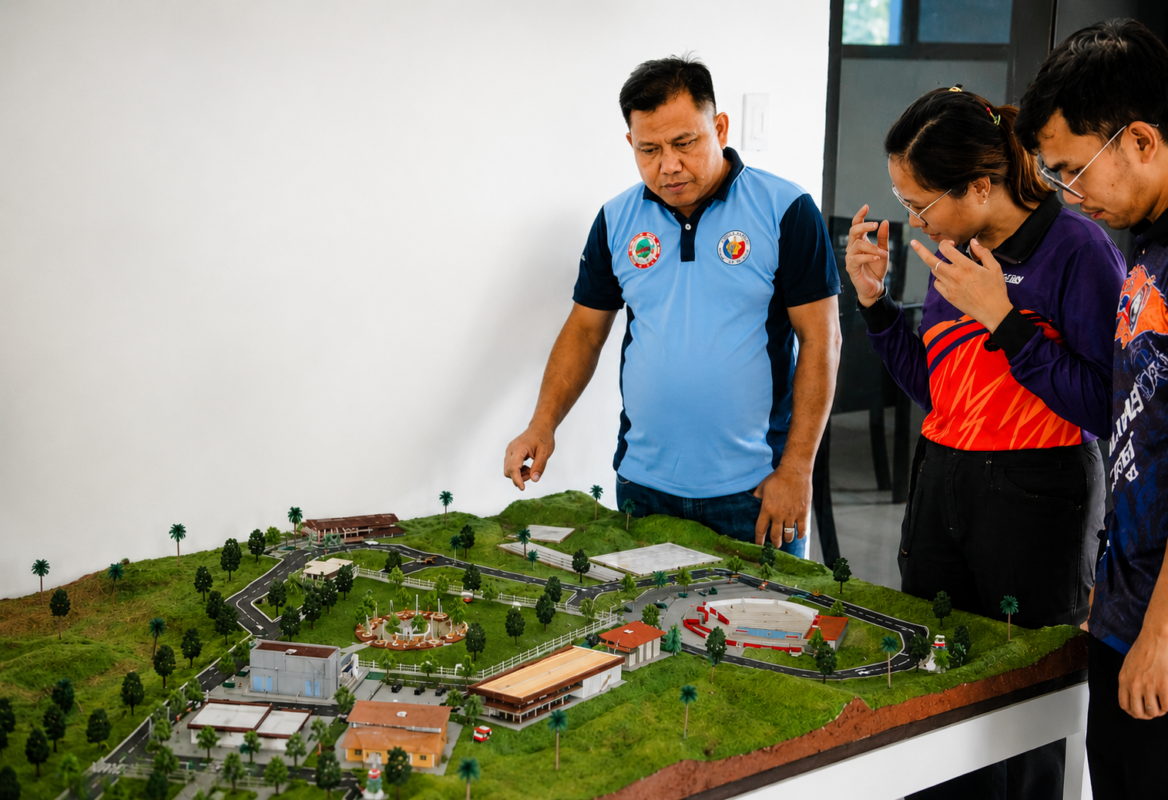 Timuay Manda (left) explains the Bayog Subanen United (BSU) Long-Term Development Plan to TVIRD Community Relations personnel (right), illustrating the Subanen community’s vision for sustainable growth, strengthened governance, and cultural preservation.
Bayog, Zamboanga del Sur / July 2026 — On a table inside a Tribal Hall, a miniature landscape tells a much bigger story. Tiny roads connect future community facilities. Livelihood projects stand beside cultural spaces. Every detail reflects years of conversations about what the Subanen people want their future to look like not only for themselves, but for generations that will inherit their ancestral lands.
Across Bayog, that vision is slowly becoming a reality. Through Indigenous Peoples’ (IP) royalty shares and sustained collaboration with the Balabag Gold and Silver Project of TVI Resource Development Philippines Inc. (TVIRD), the community has invested in infrastructure, community institutions, and long-term development designed to strengthen both cultural identity and economic opportunity.
Strengthening Indigenous Self-Governance
Development begins with places where communities can gather, contemplate, and govern their fellow Lumads.
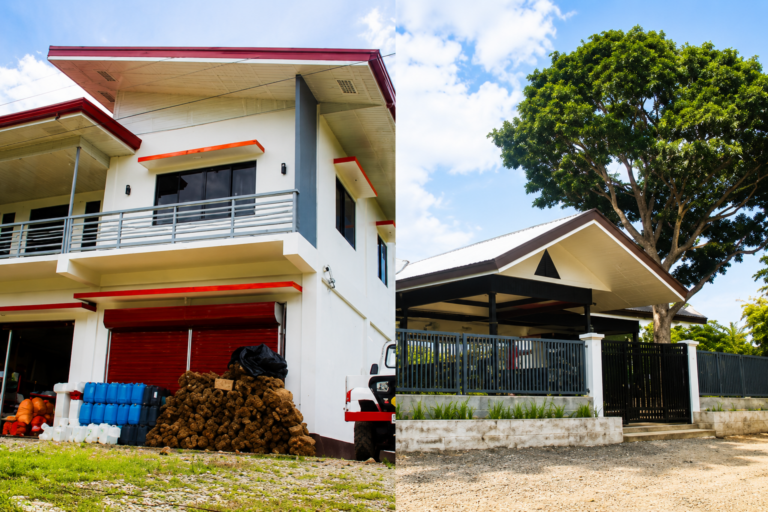
For the Subanen people of Bayog, the Bawang Manda and Bawang Edal Tribal Halls and Ancestral Domain Management Offices (ADMOs) have become more than centers for leadership. They are where ancestral lands are stewarded, cultural traditions are kept alive, and community decisions continue to be shaped by indigenous knowledge and shared responsibility.
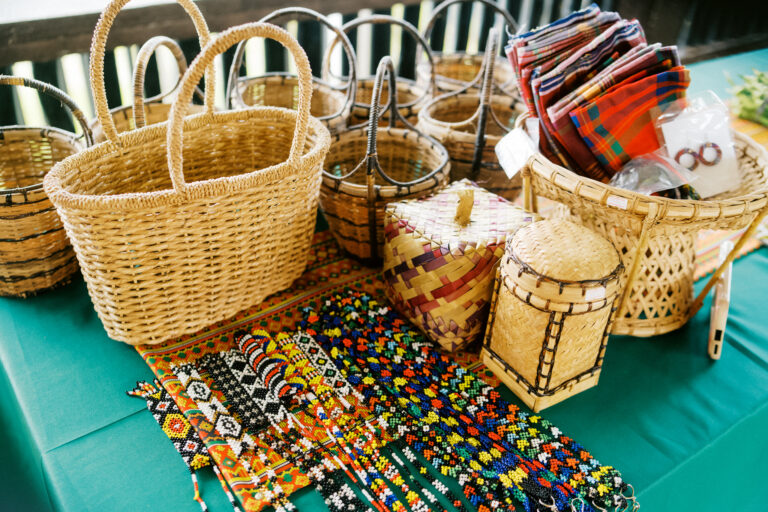
That investment extends beyond governance. Through livelihood and capacity-building initiatives under TVIRD’s Social Development and Management Program (SDMP), Subanen families have acquired new skills in food processing, from producing roasted peanuts and chicken pastil to developing concoctions and plant-based extracts. Each training program has produced an average of 25 graduates, equipping community members with practical skills that can support household incomes and local enterprise development. Meanwhile, local rubber farmers have enhanced their expertise through specialized training programs aimed at improving productivity and livelihood.
Together, these efforts demonstrate how IP royalties are being transformed into lasting institutions, stronger livelihoods, and a future shaped by the community itself.
Planning Beyond the Present
At the heart of the community’s aspirations is the Bayog Subanen United (BSU) Long-Term Development Plan, a community-led roadmap shaped through years of consultation, bringing together the voices of elders, leaders, and families to define what progress should look like on their own terms.
Represented through a detailed scale model, the plan showcases proposed infrastructure, sustainable livelihood initiatives, and cultural spaces envisioned to strengthen the community for generations to come. More than a planning tool, it symbolizes the Subanen’s long-term commitment to their future.
A Partnership Built on Trust
Behind these efforts is a partnership built on sustained dialogue, mutual trust, and close collaboration between TVIRD and the Subanen community.
A recent Community Impact Survey found that 88 percent of respondents expressed confidence in the company, with a target of increasing that figure to 92 percent by 2026. Respondents cited employment and economic opportunities, confidence in TVIRD’s environmental rehabilitation efforts, and continued engagement with Indigenous communities as key reasons for their positive perception.
The survey also highlighted the importance of culturally responsive development. Through its SDMP initiatives, TVIRD integrates cultural sensitivity into program design and continues to work alongside Indigenous communities to ensure development remains culturally responsive while helping preserve traditions and supporting long-term community priorities.
Looking Ahead
At first glance, the miniature inside the Tribal Hall appears to be a model of roads, buildings, and community spaces. For the Subanen, it represents something far greater.
It is a vision cast in miniature – a reflection of people who look beyond the horizon of today and place their hopes in tomorrow – investing not only in infrastructure but in identity, culture, and in future generations that will one day inherit their ancestral lands.
Rooted in the wisdom of their ancestors and guided by a shared sense of purpose, the Subanen continue to shape a future that is unmistakably their own – one firmly grounded in their culture, their lands, and their right to define what progress means for their people.
*******