The story of TVIRD’s Agata turning mines into hubs of growth, empowerment and environmental stewardship
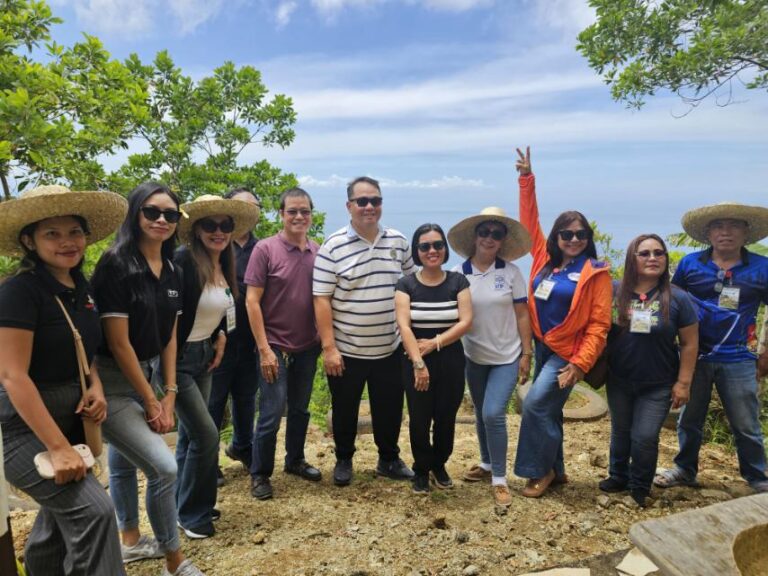
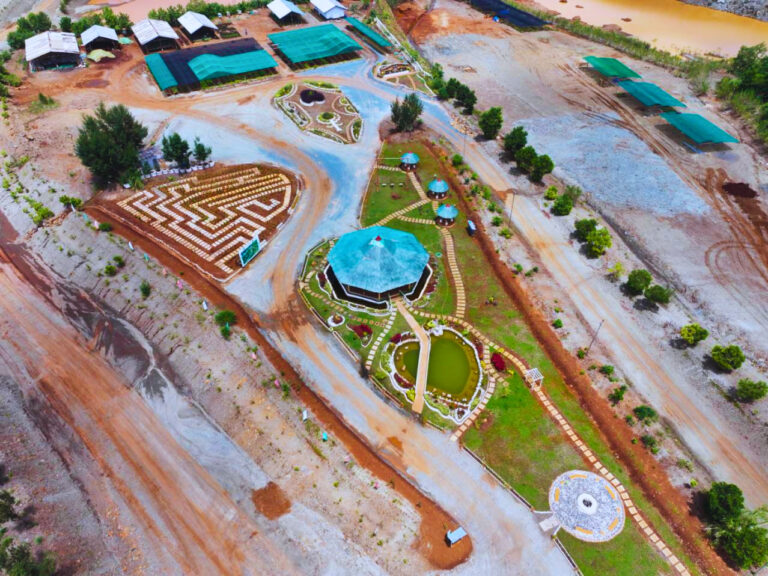
 Key associates of the TVIRD Group of Companies led by Mineral Resource and Reserve Director Kathleen Digdigan (left) enjoy the serene view of the Agata Mines Nature Farm Central Gazebo, which was once an active nickel laterite mining area at the height of the company’s prior operations.
Tubay, Agusan del Norte / April 2026 – For decades, the benchmark for success in mining rehabilitation was deceptively simple: count the trees, measure the hectares, and check the boxes. But in the rugged, mineral-rich landscapes of Agusan del Norte, Agata Mining Ventures Inc. (AMVI) is proving that real restoration reaches far beyond green cover. True success, the company argues, lies in the resilience of both the land and the people who call it home.
This philosophy has led Agata to redefine mine closure not as an endpoint, but as the beginning of a new chapter – one rooted in environmental stewardship, community empowerment, and long-term sustainability. Guided by the principle “Starting it right, keeping the end in mind,” the company intentionally aligns every phase of its operations – from exploration to final rehabilitation – to ensure that both ecosystems and communities emerge stronger than before.
A ridge-to-reef vision for environmental recovery
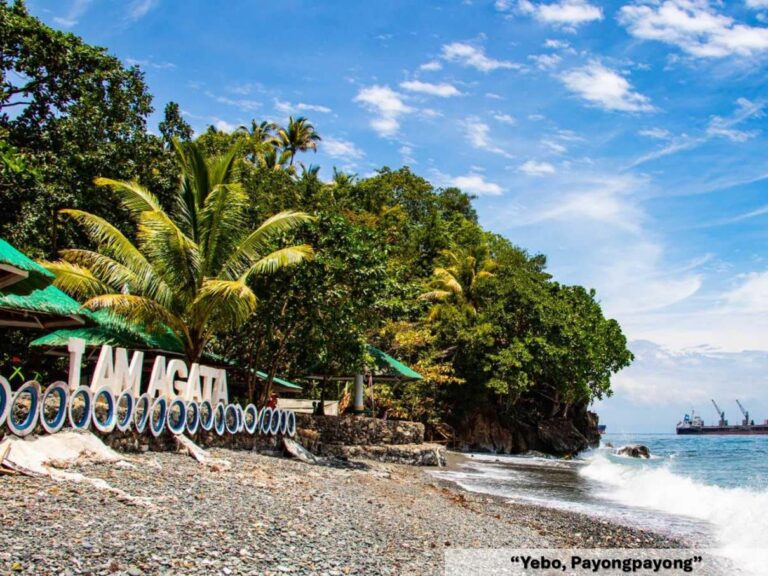
Agata’s environmental strategy goes well beyond regulatory compliance. Central to its approach is an ISO-certified Ridge-to-Reef framework that recognizes the interconnectedness of upland forests, rivers, and coastal ecosystems.
Progressive rehabilitation is conducted alongside active mining operations, allowing disturbed areas to be restored without waiting for mine completion. To date, nearly 300 hectares have been rehabilitated, each achieving forest densities of more than 1,000 trees per hectare – a benchmark that reflects both ecological integrity and long-term viability.
The Agata Final Mine Rehabilitation and Development Program (FMRDP) GM and concurrent TVIRD Group Director for Tenement and Environment Jesalyn Guingguing emphasized that, “Mine rehabilitation is not just about restoring what was disturbed. It’s about creating something that endures. From day one, our goal under the FMRDP has been to ensure that when mining ends, communities are stronger, livelihoods are sustainable, and ecosystems thrive – as it has always been focal to our principle of Starting it Right, Keeping the End in Mind.”
Downstream, Agata has extended its stewardship to marine ecosystems through a pioneering coral relocation program. More than 8,000 corals have been carefully transferred to protected areas, forming the foundation of a thriving marine sanctuary. In a powerful example of shared stewardship, former fishermen from nearby communities were trained and licensed as scuba divers, enabling them to monitor reef health themselves. Independent third-party assessments show steady, year-on-year improvement in coral cover and biodiversity.
Innovation that benefits both industry and communities
Agata’s rehabilitation efforts also demonstrate how practical innovation can generate benefits beyond individual project sites. Community-made biodegradable silt curtains designed to protect surrounding waters from sedimentation have become a simple yet high-impact solution – one that is now emulated by other mining operations across the region.
The company has also pioneered an eco-tourism concept within its former mine site, transforming rehabilitated areas into functional landscapes that serve as quiet, restorative spaces for employees. This experiment offers a glimpse into what post-mining environments can become: spaces that balance human well-being with ecological recovery.
Cultivating livelihoods beyond the life of the mine
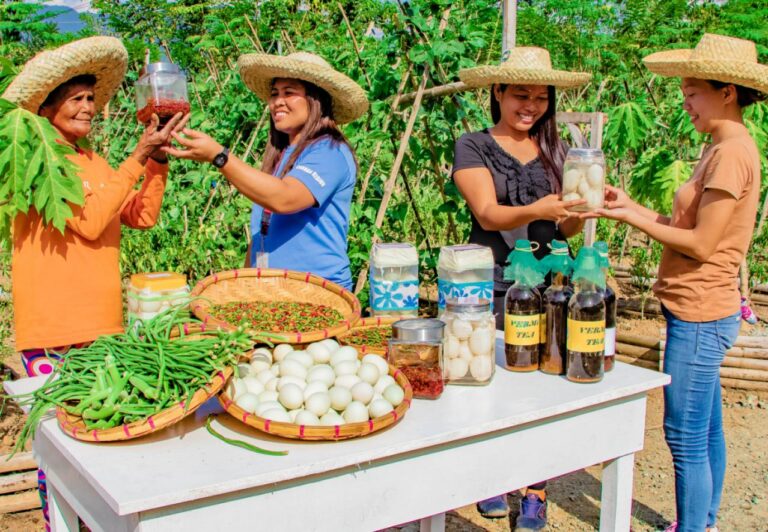
Complementing these on-site initiatives is the Mabakas Techno-Demo Farm, a cornerstone of Agata’s livelihood and skills development programs. The word “Mabakas,” which means ‘hardworking’ in the indigenous Mamanwa dialect, captures the industrious spirit of a region transitioning toward a sustainable agricultural economy.
The farm offers the area’s only nationally certified training programs in critical agricultural skills, including livestock production, organic farming, and vermiculture. In its first year alone, the facility graduated 150 practitioners in organic farming technologies and trained 11 cacao “doctors,” equipping community members with specialized skills to build self-sustaining enterprises long after mining operations conclude.
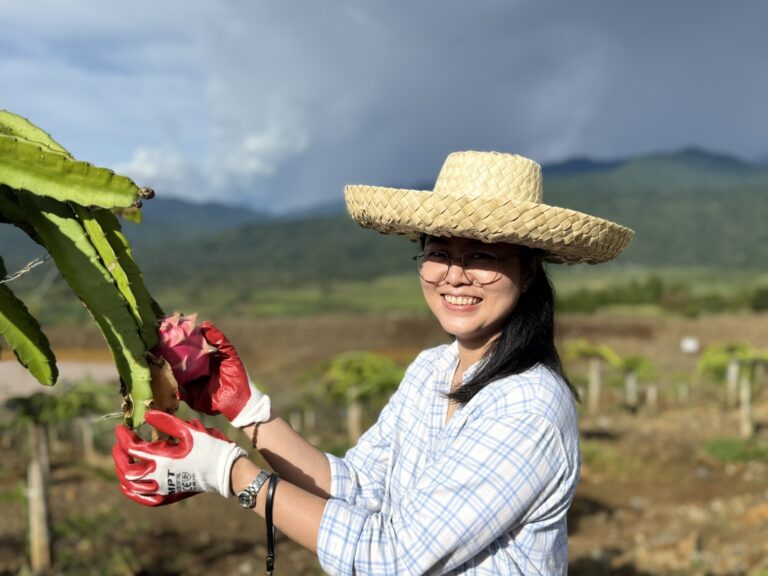
Today, Agata produces its own farm‑grown harvests, including dragon fruit, grapes, coffee, and bananas, with plans underway to soon cultivate strawberries and apples as it also positions itself to become a center for agricultural research and innovation in the region.
Advancing indigenous empowerment and self-determination
Agata’s commitment to social responsibility is especially evident in its work with indigenous peoples. The company played a pivotal role in supporting the Mamanwa tribe in securing their Certificate of Ancestral Domain Title (CADT) – a landmark achievement that provides formal recognition of their ancestral lands and affirms their right to self-determination.
Through close collaboration, Agata and the Mamanwas developed a Community Royalty Development Plan, ensuring that revenues generated from mining activities are reinvested into community-led projects that endure beyond the mining cycle. The partnership reflects a shift from transactional engagement to shared decision-making rooted in mutual respect and cultural integrity.
Building resilience through health and safety
Beyond livelihoods and land, Agata’s social programs prioritize resilience in the face of everyday and extraordinary challenges. Community-based emergency response teams, regular medical missions, and free health consultations have strengthened local capacity to manage disasters and healthcare needs independently.
These efforts also contribute to a strong safety culture within operations, resulting in millions of safe man-hours without lost-time accidents – a testament to the integration of workers’ welfare, community preparedness, and operational discipline.
Recognition and a model for the future
Agata’s integrated approach to rehabilitation and community development earned the company successive Presidential Mineral Industry Environmental Awards, and the ASEAN Mineral Award – two of the industry’s highest recognitions. The awards underscore a growing realization within the industry: mining can, and must, play a role in restoring landscapes, empowering indigenous communities, and creating lasting shared value.
“For us, success is measured not only by the forests we grow back, but by the people empowered to protect and benefit from them for generations to come.” Guingguing added.
Through its relentless focus on improving quality of life – cleaner environments, stronger institutions, and viable social enterprises – Agata offers a compelling vision for the future of Philippine mining. Its story demonstrates that responsible mining, sustainable development, and environmental stewardship are not competing ideals; but rather, interconnected pillars of a shared and resilient future.
*******